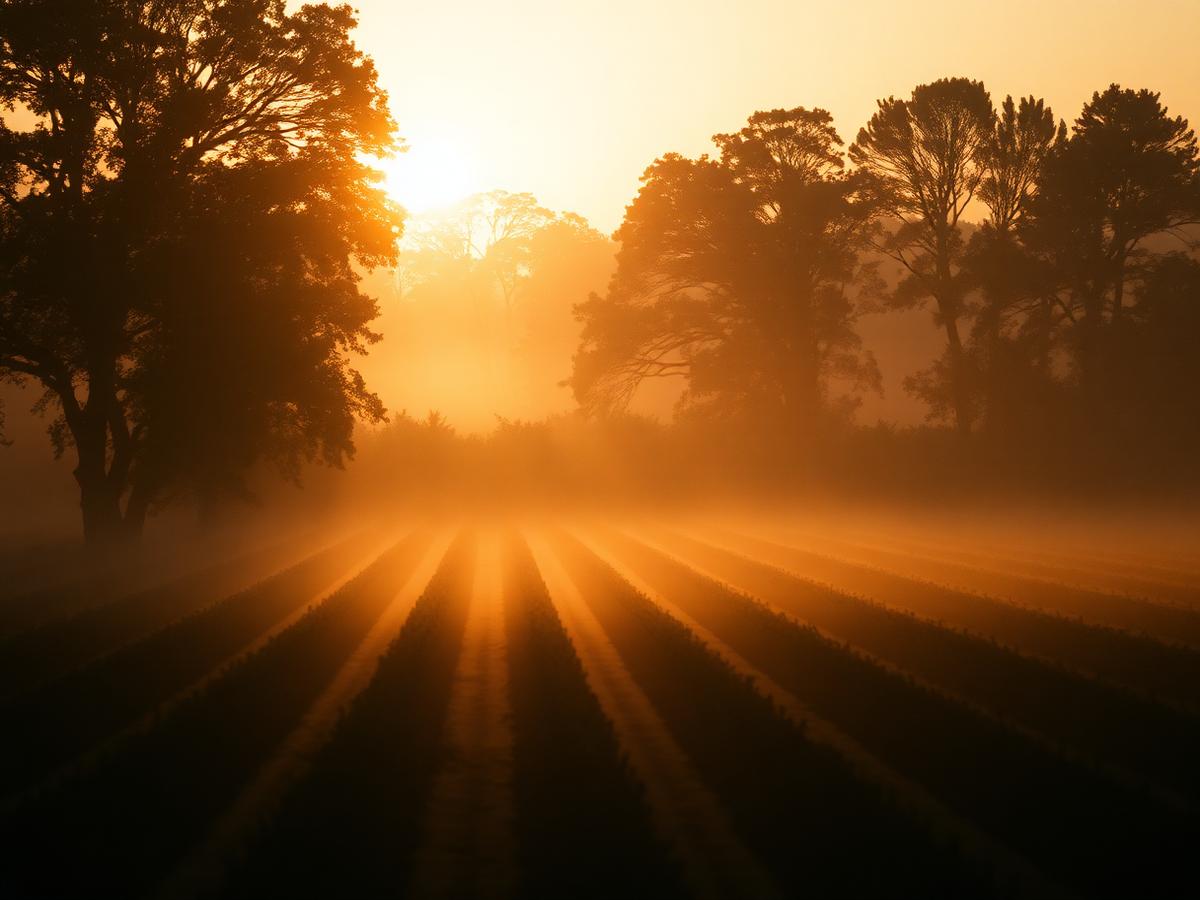
Every habit begins somewhere. Ours begins at Salawara.
The estate
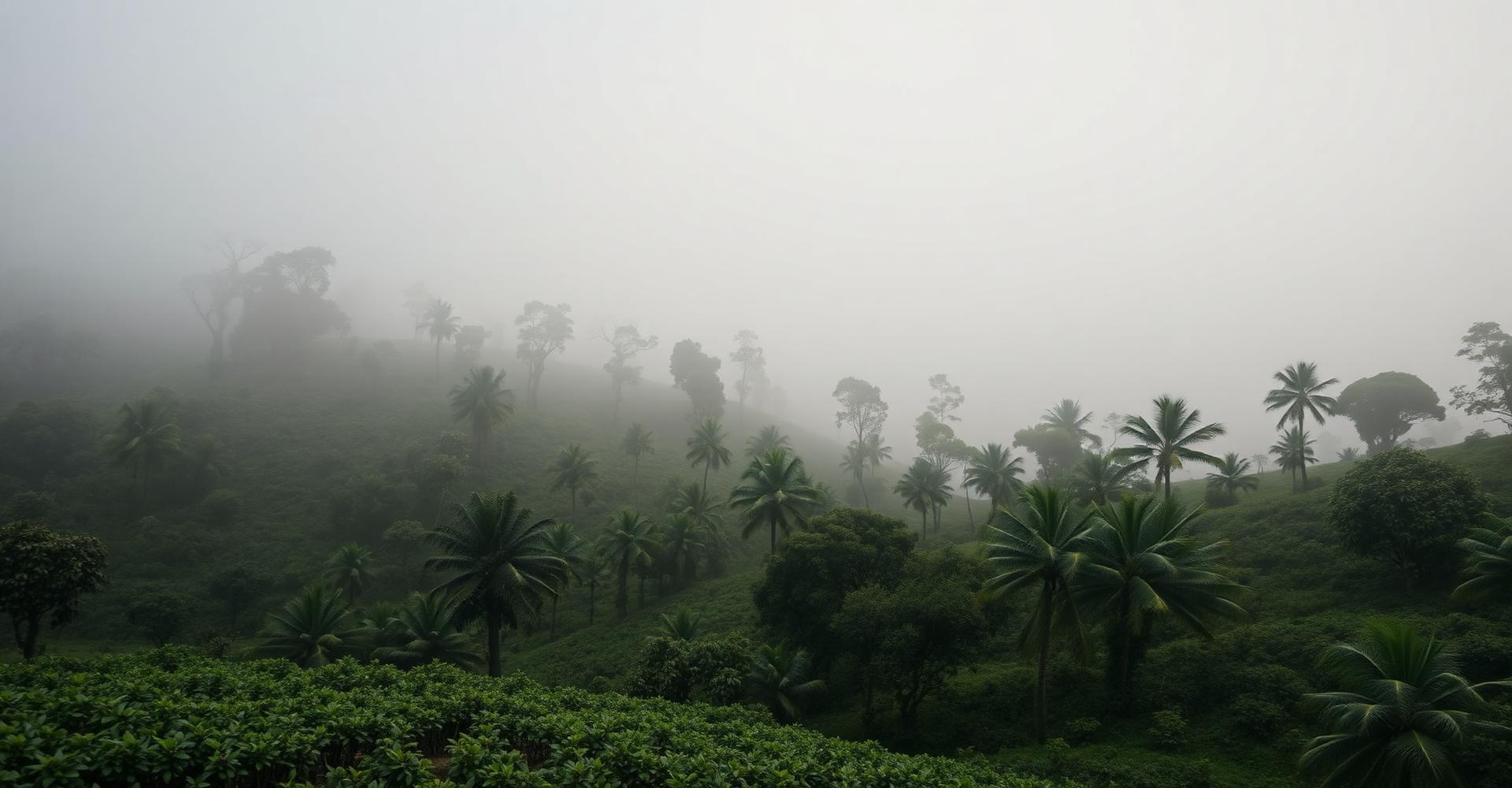
Salawara sits high in the hills of South India, where the fog arrives before the light does and leaves reluctantly. At this elevation coffee has no reason to hurry. The cherries take their time, and that patience shows up later as sweetness and structure in the cup.
Everything grows in shade, under a canopy of native trees that were here long before the coffee was. Silver oak, jackfruit, wild pepper vines climbing whatever will hold them. It is not a tidy landscape. It is a working one, the kind where soil, water and shade are managed as a single system rather than three separate problems.
Harvest is done by hand, in passes, by people who have walked these rows for years and can read ripeness by feel. Lots are kept small and separate through pulping, drying and milling, because the whole theory falls apart if you blend away the thing you were trying to taste.
We roast what the estate gives us, in batches small enough to correct. Three coffees, one origin, repeated with attention. That is the entire ambition. A ritual you can keep, and a reason to keep it.
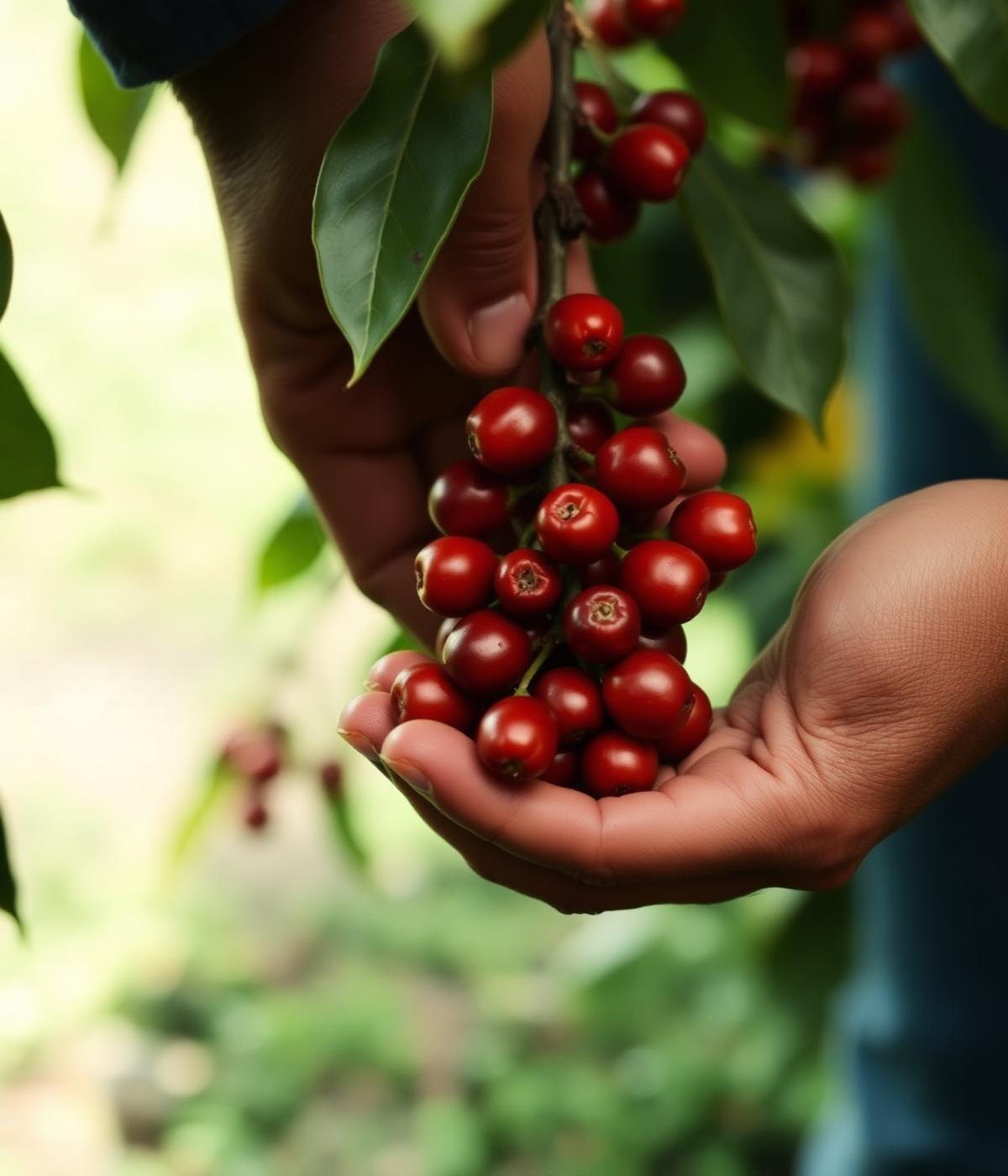
Selective picking is slower and more expensive, and there is no substitute for it. Ripeness is the one decision that cannot be corrected further down the line.

The spiral in our name is the swirl of crema, the bloom of a fresh pour, and the small daily loop that turns a drink into a ritual.
Five steps, repeated
Grown
Arabica under native canopy at 1,250–1,400m. Slow ripening, dense cherries, deep sweetness.
Harvested
Picked by hand across several passes. Only the fruit that is ready on the day it is ready.
Processed
Washed, pulped natural or full natural, lot by lot. Dried on raised beds under shade.
Roasted
Small batches, profiled per lot, cupped before release. Nothing leaves without agreement.
Poured
Pour-over at dawn, espresso at noon, cold brew when the hills turn warm. The loop closes.
Single-origin
Small-batch
Traceable
Slow-roasted