A Morning at Salawara Estate
Harvest at Salawara runs on ripeness, not on clocks. A day on the estate, from fog to dusk.
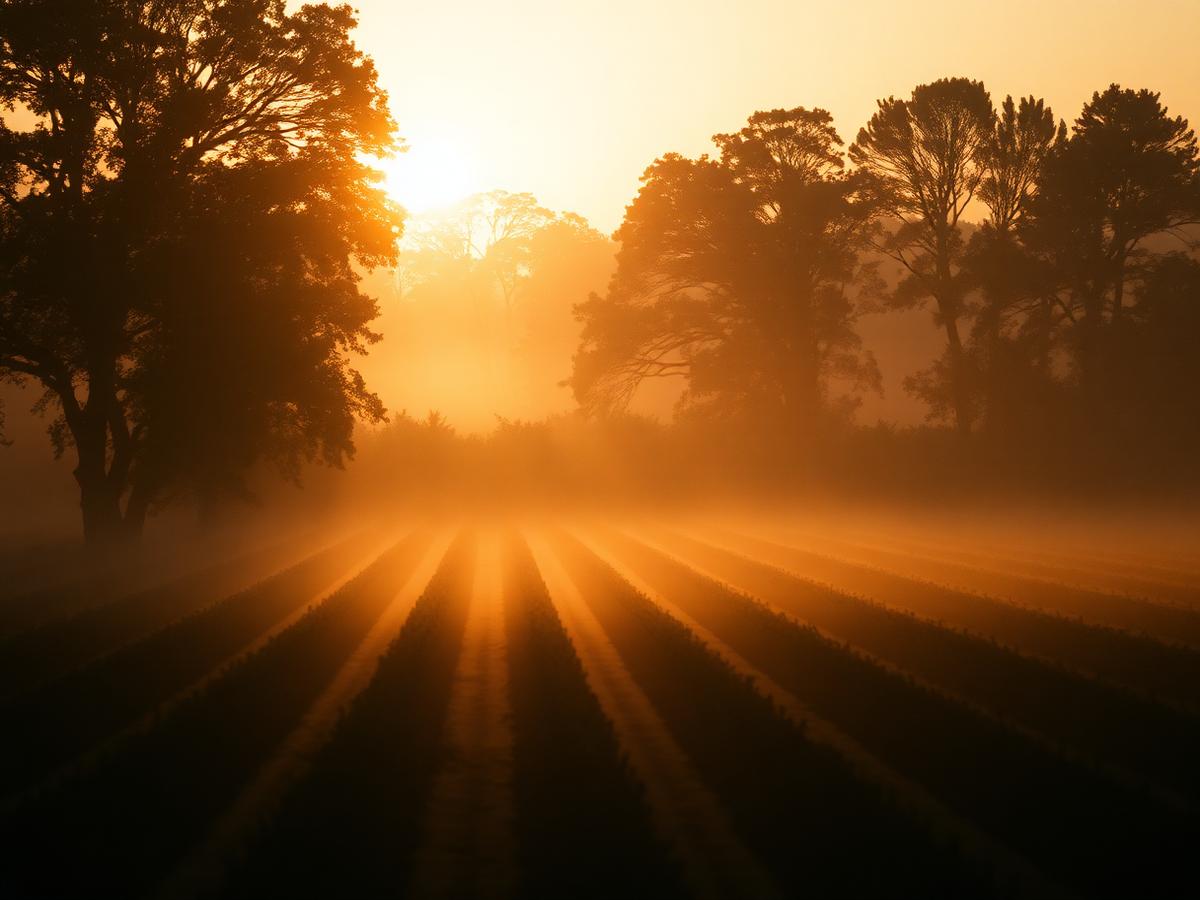
At five in the morning the estate is a rumour. The fog sits so low in the valleys that the rows nearest the road disappear entirely, and the only reliable landmarks are the silver oaks, which rise out of the white like masts. Everything is wet. The paths, the leaves, the canvas sheets stacked by the shed, the rope handles of the crates.
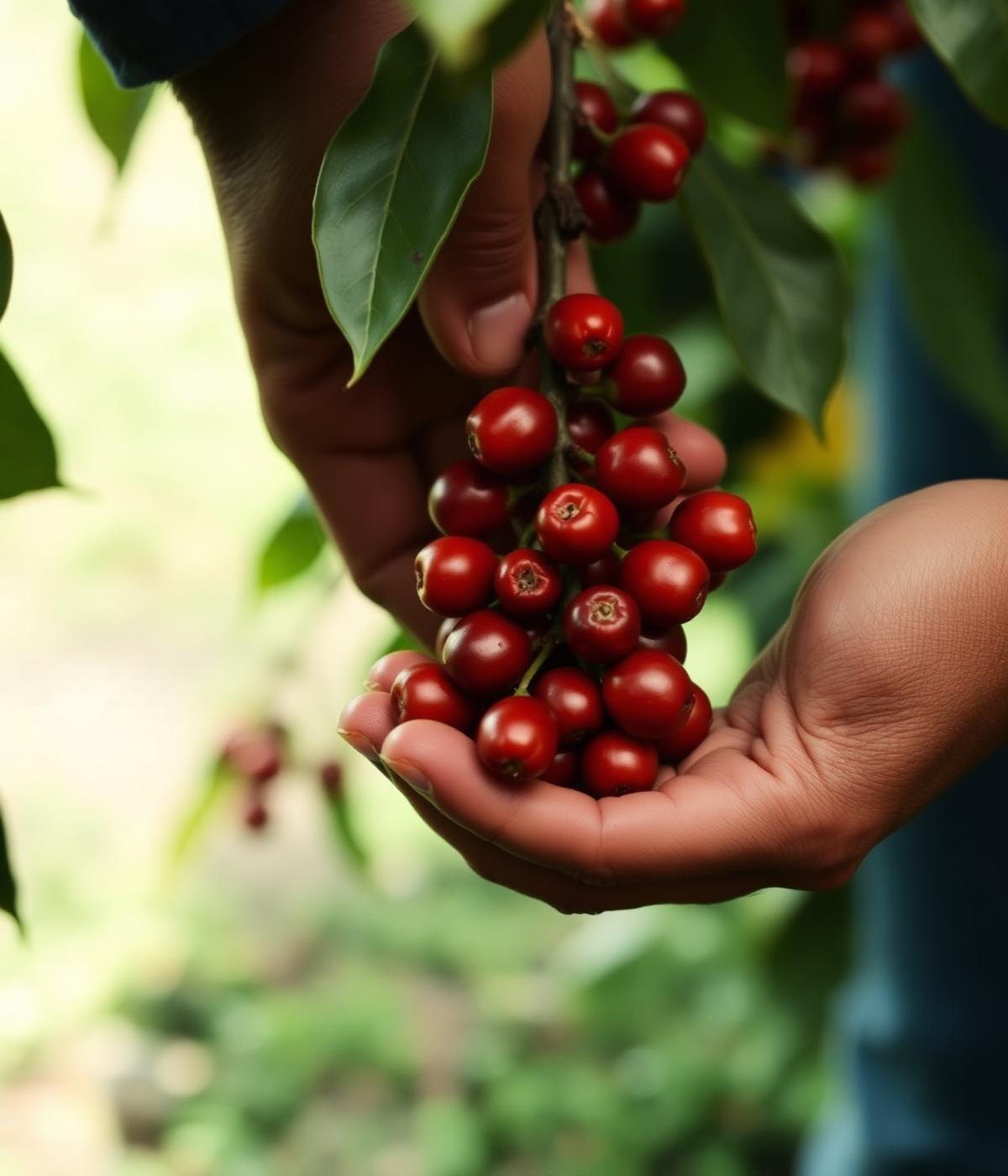
The first crew walks up around six. They start on the eastern slope, where the sun arrives earliest and the cherries ripen a few days ahead of the rest of the estate. Picking here is selective, which is a plain way of saying that a picker walks past the same branch four or five times across a season and takes only the fruit that is ready that week. It is slower and more expensive than stripping a branch in one pass, and it is the single most important decision in the whole chain.
You can hear ripeness before you can see it. A ripe cherry comes away with almost no resistance, a soft click, and lands on the canvas with a particular dull sound. An underripe one has to be pulled, and the branch complains. Nobody teaches this in a formal way. People who have worked these rows for years simply know it in their hands.
By seven the fog begins to lift from the top of the hill down, and the light that comes through is the reason this place tastes the way it does. Shade from native canopy means the coffee never bakes. The cherries take their time, sugars accumulate slowly, and the seed inside grows dense. Slow ripening is the whole argument for elevation, and at 1,250 to 1,400 metres the argument makes itself.
The first crates reach the pulping shed before nine. Everything is floated first, which sounds technical but is really just a way of letting water do the sorting. Underripe and damaged cherries float and are set aside. The rest sink, and those go through the pulper. Lots are kept small and separate from this point on, labelled by block and by day, because the whole reason for working this carefully falls apart the moment you tip two lots together.
Drying happens on raised beds under shade cloth. Someone turns the parchment by hand every couple of hours so it dries evenly, and the beds are covered when the afternoon light gets too strong or the evening damp comes in. Depending on the process this takes anywhere from eight days to eighteen. The natural lots take longest and need the most attention, because a natural lot left unturned is how you get fermentation you did not ask for.
Lunch is late and quick. The afternoon is quieter, mostly turning, sorting and moving parchment into storage. Around four the light goes long and gold, and the crews start walking back down with empty crates. There is a short window at dusk when the whole hillside smells faintly sweet from the pulp heaps, which will be composted and returned to the rows.
Nothing about this day is dramatic. That is rather the point. A harvest is thousands of small correct decisions made in the right order, mostly by people whose names never appear on a bag. What we do afterwards, roasting in batches small enough to correct, is the easy half of the work.