Classic Espresso, Dialed In
Espresso is the most unforgiving way to brew coffee and the most rewarding to get right. Here is how we dial in Slow Loop and The Ritual at the roastery.
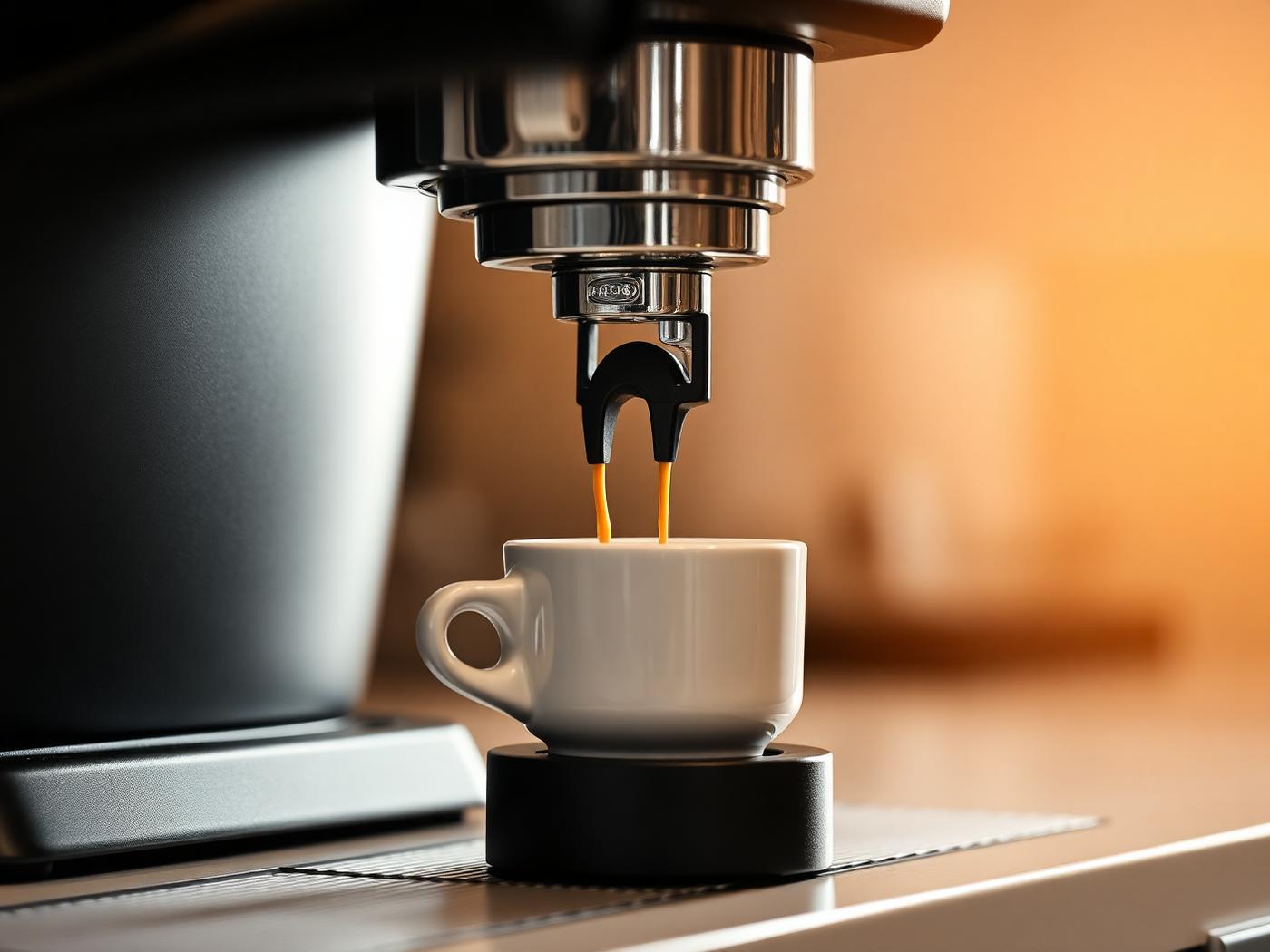
Espresso rewards precision, but not perfectionism. What you are really doing is balancing three numbers against each other: how much dry coffee goes into the basket, how much liquid comes out, and how long it takes to get there. Change one and the other two respond. Once you understand that relationship, dialing in stops feeling like guesswork and starts feeling like a conversation.
Start with fresh coffee, ideally between seven and twenty-one days off roast. Younger than that and the shot will gush and taste flat because the beans are still releasing carbon dioxide. Much older and the sweetness thins out. Weigh everything. A set of scales that reads to a tenth of a gram will improve your coffee more than any other purchase you make.
Our reference recipe is simple. Eighteen grams in, thirty-six grams out, in roughly twenty-nine seconds. That is a one to two ratio, the classic modern shot, and it is a sensible middle of the road starting point for almost any coffee. From there you move in one direction at a time.
If the shot runs fast and tastes sharp, thin or sour, the water is finding channels through the puck and leaving most of the coffee behind. Grind finer. If the shot crawls, tastes bitter, drying or ashy, you have gone too far the other way. Grind coarser. Taste is the instrument here, not the timer. The clock only tells you which way to move.
Preparation matters as much as the grinder setting. Distribute the grounds evenly in the basket before you tamp, either with a needle tool or by tapping the sides gently until the bed is level. Tamp firmly and flat. An uneven bed produces an uneven extraction, and no amount of grind adjustment will fix a puck that has a crack running through it.
Water temperature sits around ninety-three degrees for medium roasts and a degree or two lower for darker ones. Slow Loop is happier at ninety-one, where the jaggery and dark chocolate come forward without the roast turning harsh. First Light, being much lighter, likes ninety-four and a slightly longer ratio, closer to one to two point two, which gives the jasmine and citrus room to open.
Once you have a shot you like, write the numbers down. Grind setting, dose, yield, time, temperature. Coffee changes as it ages, so expect to move the grinder a click finer over the course of a bag. That is normal, and it is much easier to correct when you know where you started.
The last thing to say about espresso is that it is not a competition. A well made shot at home, with clean equipment and coffee you enjoy, is better than a technically flawless one you did not have time to drink. Build the routine first. Refine it slowly.
Ingredients
- 18g of Slow Loop or The Ritual, freshly ground
- Filtered water at 91°C to 93°C
- Scales accurate to 0.1g
- A clean basket and a dry, well distributed puck
Method
- 01Weigh 18g of beans and grind directly into the basket.
- 02Distribute evenly, level the bed, then tamp flat and firm.
- 03Purge the group head briefly, lock in, and start the shot with the scales zeroed.
- 04Aim for 36g in the cup in about 29 seconds.
- 05Taste. Sour and fast means grind finer. Bitter and slow means grind coarser.
- 06Repeat, changing only one variable, until the shot tastes sweet and round.