Why Single-Origin Matters More Than You Think
A blend is an argument for consistency. A single origin is an argument for character, and for knowing exactly whose work you are drinking.
Most coffee sold in the world is a blend, and there is nothing dishonest about that. Blending is a craft in its own right. It smooths out the variation between harvests, keeps a familiar flavour on the shelf all year, and protects a roaster against a bad season at any one farm. If your goal is a cup that tastes the same in March as it did in October, blending is the sensible answer.
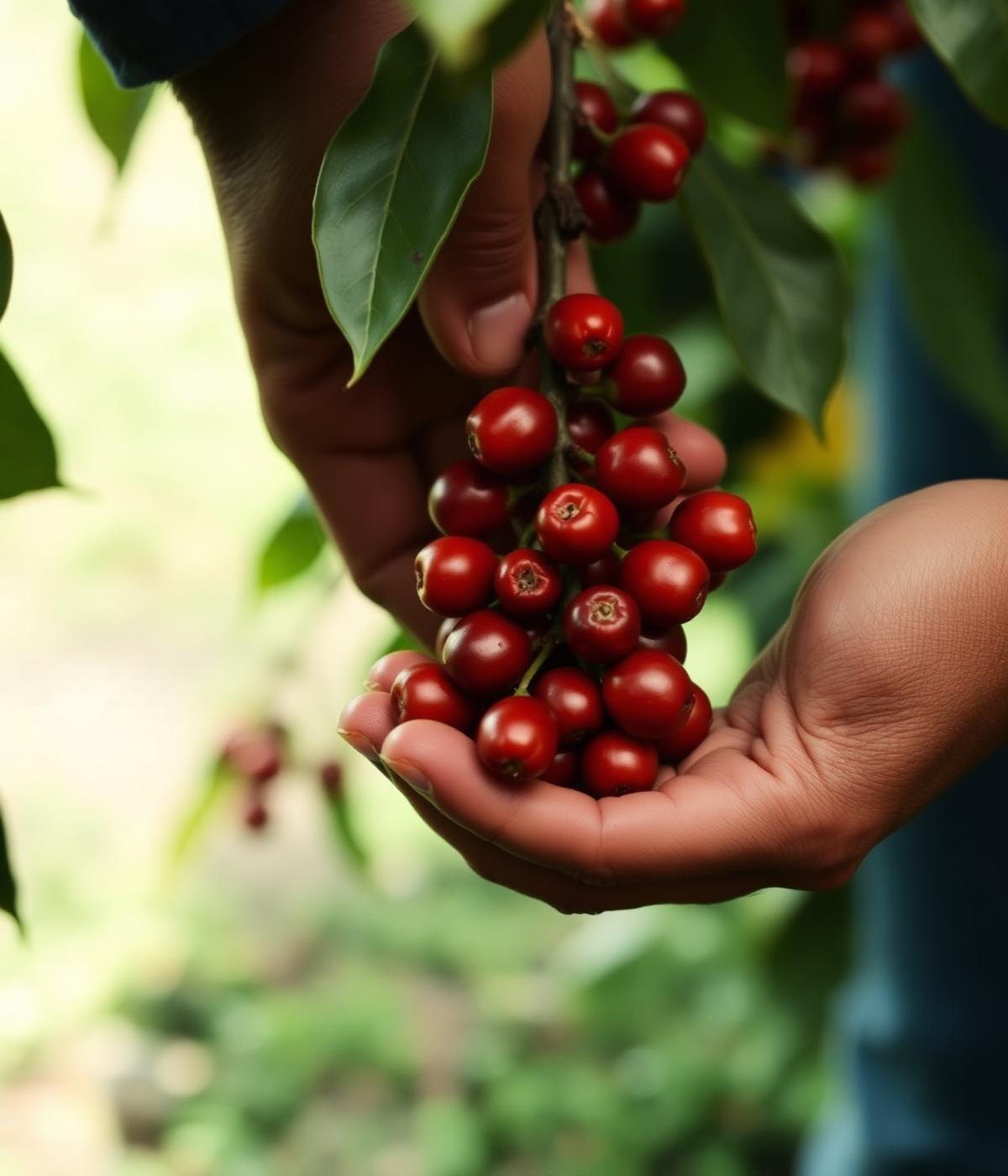
Single origin makes a different promise. It says this coffee came from one place, at one elevation, picked in one season by people you could name. What you gain is character and traceability. What you give up is the safety net. If the rains arrive late, you taste it. If a lot dries slower than expected, you taste that too.
We chose the harder version deliberately. Everything we roast comes from Salawara. That constraint is the entire point of the brand. When only one variable moves at a time, you learn to taste it. The difference between a washed lot and a pulped natural lot from the same rows, in the same year, is not an abstract idea when they are sitting side by side on the cupping table.
Traceability also changes the economics. Buying from one estate, season after season, means the conversation about price is a conversation with a person rather than a market. It means we can ask for selective picking, for smaller lots kept separate through drying, for the extra passes through the rows that make a real difference in the cup and cost real money on the ground. Those requests only make sense inside a long relationship.
There is a quieter benefit too. A single origin gives you a reference point. Once you know what Salawara tastes like at 1,400 metres, washed and lightly roasted, you have a fixed star to navigate by. Every other coffee you drink becomes easier to place, because you have something honest to compare it against.
None of this makes single origin automatically better. A poorly processed single origin is worse than a thoughtfully built blend, and anyone who tells you otherwise is selling something. What single origin does is make the work visible. The estate cannot hide behind other coffees, and neither can we.
So when the label says one estate, one elevation, one harvest, it is not decoration. It is a set of constraints we agreed to live inside, because those constraints are what makes the coffee taste like somewhere rather than nowhere.