The Theory of Habit: On Ritual and Repetition
A habit is a decision you only have to make once. The theory is what you choose to put inside it.
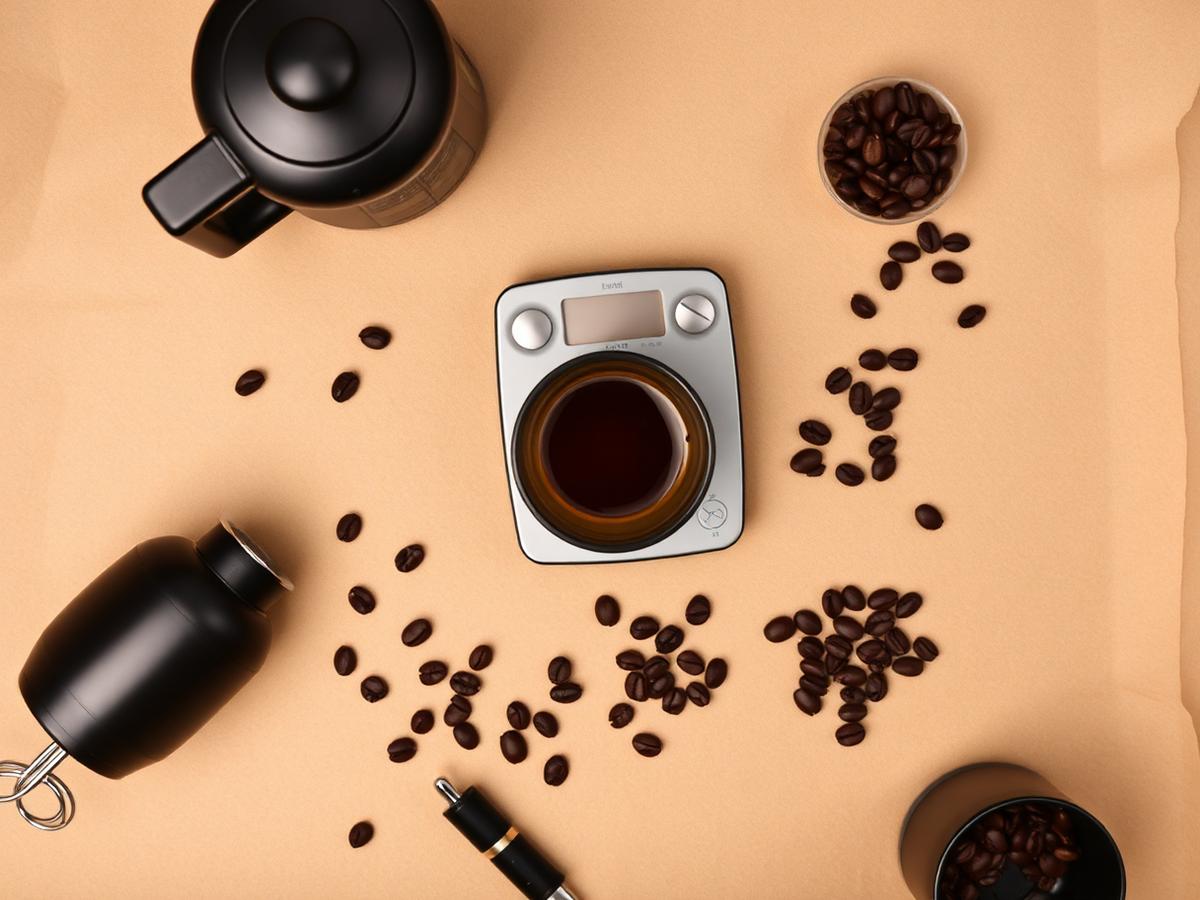
There is a version of speciality coffee that is really a hobby about equipment. It has leaderboards, opinions about burr geometry, and a slowly expanding shelf of devices. We have nothing against it. But it is not the thing we built this brand around.
The coffee that shapes your life is not the exceptional cup you make when someone is watching. It is the one you make on an ordinary Tuesday, half awake, in the same four minutes you used yesterday. That cup does not need to be remarkable. It needs to be good, and it needs to be repeatable, because repetition is what turns a drink into a structure you can hang a morning on.
This is what we mean by habit. A habit is a decision you only have to make once. You settle the grind, the ratio, the vessel, the order of operations, and then you stop spending attention on them. What is left over is the part worth having: ten quiet minutes before the day starts making requests.
The theory is what you put inside the habit. If you are going to repeat something several hundred times a year, the quality of the thing you are repeating compounds. Slightly better coffee, ground slightly fresher, brewed with slightly more care, does not just improve one cup. It improves a season of mornings. That is a better return than any single spectacular brew.
Repetition also sharpens perception, which is the part people underestimate. When the method stops changing, small differences become loud. You notice that the bag you opened last week is sweeter than the one before it. You notice that the same coffee tastes different on a cold morning. None of that is available to someone who changes three variables every day.
There is a discipline in choosing constraints. One estate. Three roasts. A method you keep. It looks limiting from the outside and it is genuinely freeing in practice, because most of the decisions are already made and the remaining attention goes somewhere useful.
So our advice is unglamorous. Pick one of the three. Weigh it. Use the same recipe for two weeks without adjusting anything. Then change one thing and see what happens. Somewhere in the middle of that, without announcing itself, the coffee stops being a task and becomes the shape of the morning.
Repetition is not monotony. Done with attention, it is the only reliable way to notice small things.